USDT vs. USD: Analyzing the Convergence of Digital Assets and Traditional Finance
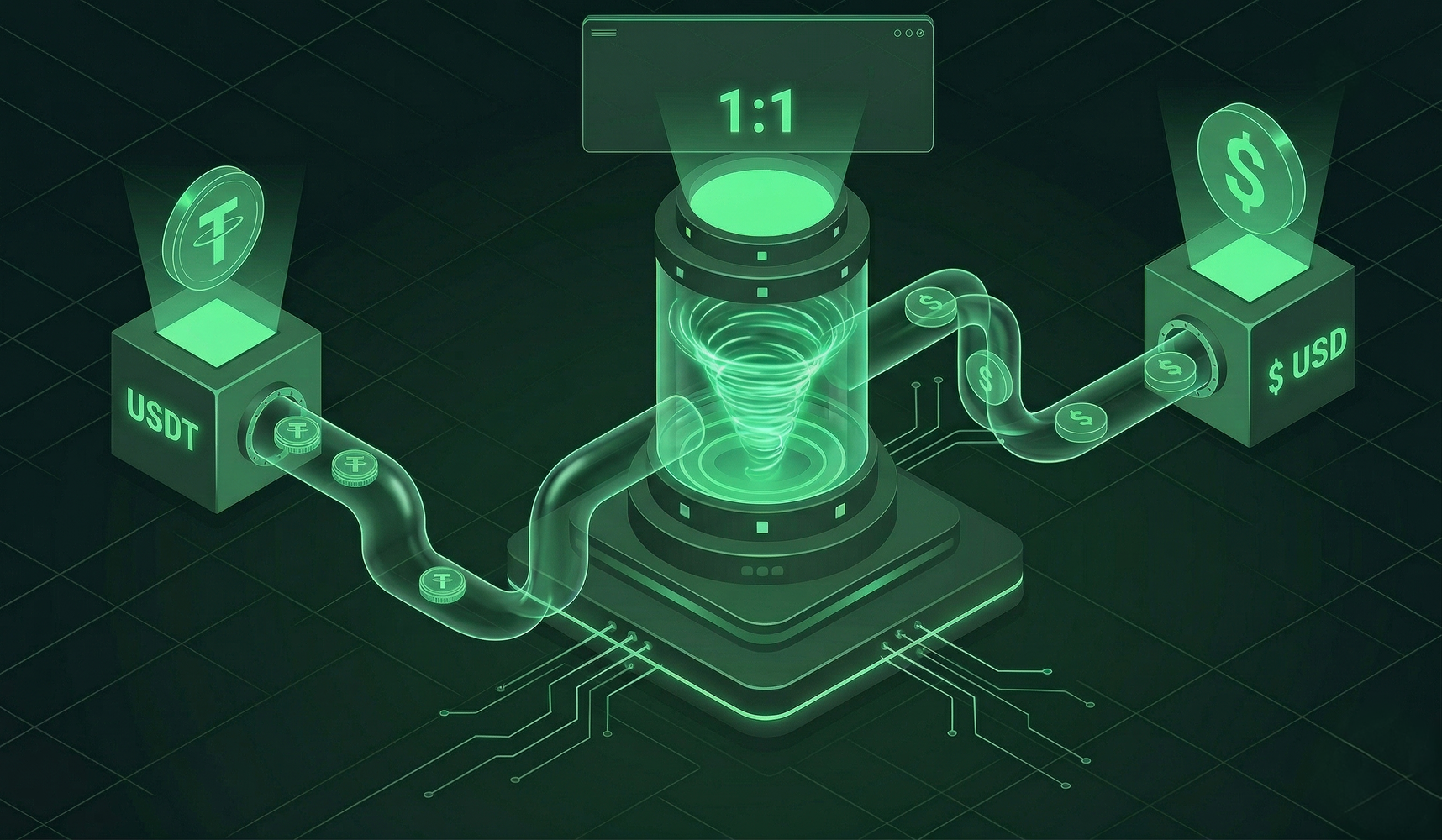
The Historical and Structural Foundation of the US Dollar (USD)
The Mechanisms of Modern Fiat Banking
Traditional USD operates through a highly regulated, hierarchical banking structure. When an entity holds USD in a bank, they are participating in a Fractional Reserve Banking system. This means that banks do not hold 100% of the deposits in cash; instead, they lend out a portion to generate economic growth. For the user, this provides security through government-backed insurance (such as the FDIC), but it also introduces systemic risks and slow settlement times.
The Limitations of Legacy Financial Rails
Despite its dominance, the USD system relies on the SWIFT network and correspondent banking, which often leads to significant friction in international trade.
Settlement Latency: Cross-border USD transfers can take between 3 to 5 business days.
High Intermediary Costs: Each bank in the chain takes a fee, reducing the net value of the transfer.
Operational Hours: Traditional banking is restricted to specific time zones and working days.
Inflation and Monetary Policy Impacts
The USD is subject to the Monetary Policy of the Federal Reserve. Decisions regarding interest rates and "Quantitative Easing" directly affect the purchasing power of the dollar. In an era of high global debt, the inflationary nature of fiat currency has prompted many to look for more efficient alternatives within the digital asset space. While the USD provides Legal Stability, it lacks the "Velocity of Capital" that modern high-frequency markets demand.
Technical Architecture and the Rise of Tether (USDT)
The Cryptographic Engine of Digital Dollars
USDT operates through Smart Contracts that govern the issuance and redemption of tokens. Unlike traditional USD, which requires manual bank reconciliation, USDT can be moved, programmed, and integrated into complex financial protocols automatically. This is the essence of Programmable Money. A transaction in USDT is not just a transfer of value; it is a piece of code being executed on a decentralized ledger, ensuring that the transfer is immutable and transparently recorded.
Network Standards: ERC-20 vs. TRC-20
The user experience of USDT varies significantly depending on the underlying network:
Ethereum (ERC-20): Offers the highest security but often suffers from high "Gas Fees" during congestion.
TRON (TRC-20): The most popular network for daily transfers due to its near-zero fees and high speed.
Solana: Provides sub-second finality, making it ideal for high-frequency trading and retail payments.
Redemption and Issuance Mechanics
The stability of USDT is maintained through an Arbitrage Mechanism. Professional market makers can mint new USDT by sending USD to Tether Limited's reserves or redeem USDT for physical USD. This ensures that if the price of USDT on an exchange drops to $0.99, traders will buy it up to redeem it for $1.00, pushing the price back to its peg. This "Market-Driven Stability" is what allowed USDT to become the Liquidity Backbone of the entire cryptocurrency market. For traders, USDT is the ultimate safe haven during times of extreme Bitcoin volatility.
Liquidity, Trading Pairs, and the Digital Ecosystem
The Role of USDT in Market Arbitrage
Because USDT moves at the speed of the blockchain, it allows traders to perform Cross-Exchange Arbitrage that would be impossible with traditional USD. If a price difference exists between an exchange in Asia and an exchange in Europe, a trader can move USDT between them in minutes. Trying to do the same with a bank wire would take days, by which time the opportunity would have vanished. This Capital Velocity is why USDT is the preferred tool for professional hedge funds and market makers.
USDT in the Decentralized Finance (DeFi) Sector
In the DeFi world, USDT serves as a primary source of collateral. Users can:
Yield Farming: Provide USDT to liquidity pools to earn a portion of transaction fees.
Lending & Borrowing: Deposit USDT into protocols like Aave to earn interest or use it as collateral to borrow other assets.
Staking Rewards: Participate in various ecosystem rewards that are paid out in stablecoins.
The "Digital Lifeboat" Effect in Emerging Markets
In countries experiencing Hyperinflation or strict capital controls, USDT has become more than just a trading tool; it is a "Digital Lifeboat." For citizens in these regions, getting access to a US bank account is nearly impossible. However, anyone with a smartphone can hold USDT. This has created a massive Shadow Economy where USDT is used for everything from buying groceries to paying international suppliers. It provides the stability of the USD without the geographical and political barriers of the US banking system. This global accessibility is a key driver of USDT’s trillion-dollar market cap. Security, Transparency, and the Reserve Debate
The Evolution of Tether’s Reserve Composition
Initially, critics feared that USDT was backed by nothing more than "thin air." However, Tether has significantly improved its disclosure practices. According to recent attestations, the reserves are composed of:
US Treasury Bills: The safest and most liquid form of USD-denominated debt.
Cash & Bank Deposits: Immediate liquidity for redemptions.
Money Market Funds: Short-term, low-risk investments.
Corporate Bonds & Precious Metals: A smaller portion aimed at diversifying the portfolio.
Attestations vs. Full Audits
A major PR challenge for USDT has been the difference between an Attestation and a Full Financial Audit. An attestation is a "snapshot" in time verified by a third-party accounting firm, whereas an audit is a much more rigorous, historical analysis of every transaction. While Tether has provided regular attestations from reputable firms like BDO, the lack of a "Big Four" audit remains a talking point for skeptics. This "Transparency Gap" is why some conservative institutional investors still prefer traditional USD or more regulated stablecoins like USDC.
Systemic Risk and the "Bank Run" Scenario
The fear of a "Bank Run" is always present in any fractional or collateralized system. If everyone tried to redeem their USDT at the same time, would Tether be able to provide the USD? In 2022, during the Terra/Luna collapse, USDT was tested with billions of dollars in redemptions within a few days. It maintained its peg and processed all withdrawals without issue. This "Stress Test" significantly boosted market confidence. However, unlike the USD, there is no Federal Reserve to act as a "Lender of Last Resort" for USDT. If Tether fails, the loss is total for the holders. This is the fundamental trade-off: Sovereign Security vs. Private Efficiency.
Regulation, Compliance, and the Global Legal Landscape
The Impact of MiCA and the "Compliance Era"
The MiCA regulation is the first comprehensive framework that explicitly categorizes stablecoins as "Asset-Referenced Tokens" or "E-Money Tokens." It requires issuers to:
Hold 100% reserves in a highly liquid and safe format.
Maintain a presence in the EU for legal accountability.
Provide clear redemption rights to all token holders. This regulation is a "Double-Edged Sword" for USDT. While it increases Institutional Trust, it also introduces costs and potential limitations on how the reserves can be managed.
Sanctions, AML, and the "Traceable" Dollar
One of the most misunderstood aspects of USDT is its Anonymity. While a physical USD bill can be passed from hand to hand without a trace, every USDT transaction is recorded on a public blockchain.
Tether’s "Blacklist" Feature: Tether Limited has the technical ability to freeze USDT addresses associated with criminal activity or sanctioned entities.
AML/KYC Requirements: Exchanges that deal in USDT are now required to follow strict Anti-Money Laundering protocols, making USDT actually more traceable than physical USD cash in many scenarios.
The Role of Central Bank Digital Currencies (CBDCs)
The rise of CBDCs (like a digital Euro or a digital Dollar) is the state’s answer to USDT. Governments want to offer the technical benefits of the blockchain while retaining full control over the monetary supply. However, CBDCs lack the Permissionless and Neutral nature of USDT. USDT is "Global" by design, whereas a CBDC will always be tied to the political will of a single nation. This ensures that even in a world of digital government currencies, there will always be a market demand for a private, borderless alternative like USDT. Conclusion: Navigating the Choice Between Fiat and Digital Dollars
Summary of Key Differentiators
When making a choice, investors must weigh several factors:
Trust Source: USD relies on Sovereign Faith, while USDT relies on Collateral Transparency and code integrity.
Accessibility: USD is gated by banks and geographical borders, whereas USDT is accessible to anyone with an internet connection.
Utility: USD is the base for traditional retirement and savings; USDT is the base for DeFi, high-yield protocols, and global remittances.
The Hybrid Reality of 2026
We are no longer living in a world of "Binary Choices." Most modern investors use a Hybrid Model:
Holding USD for long-term stability and local living expenses.
Holding USDT for active trading, international payments, and earning yield in the crypto ecosystem. This balanced approach minimizes the risks of both systems while maximizing the opportunities of the new economy.
Final Thoughts for the Digital Era
The evolution of money is moving toward Programmability and Speed. While the US Dollar is undergoing its own digital transformation, Tether has already built the infrastructure for the "Internet of Value." As an investor, your greatest asset is Information. By understanding the mechanics of these two "Dollars," you can navigate the volatility of the market and the complexities of global regulation with confidence. The future of finance is not a fight between fiat and crypto, but a Convergence that will lead to a more efficient, inclusive, and transparent global economy. Whether you choose the stability of the USD or the freedom of USDT, the most important step is to remain agile in a world that is moving faster than ever before.
Neueste Artikel