Various types of cryptocurrencies, tokens, and their significance
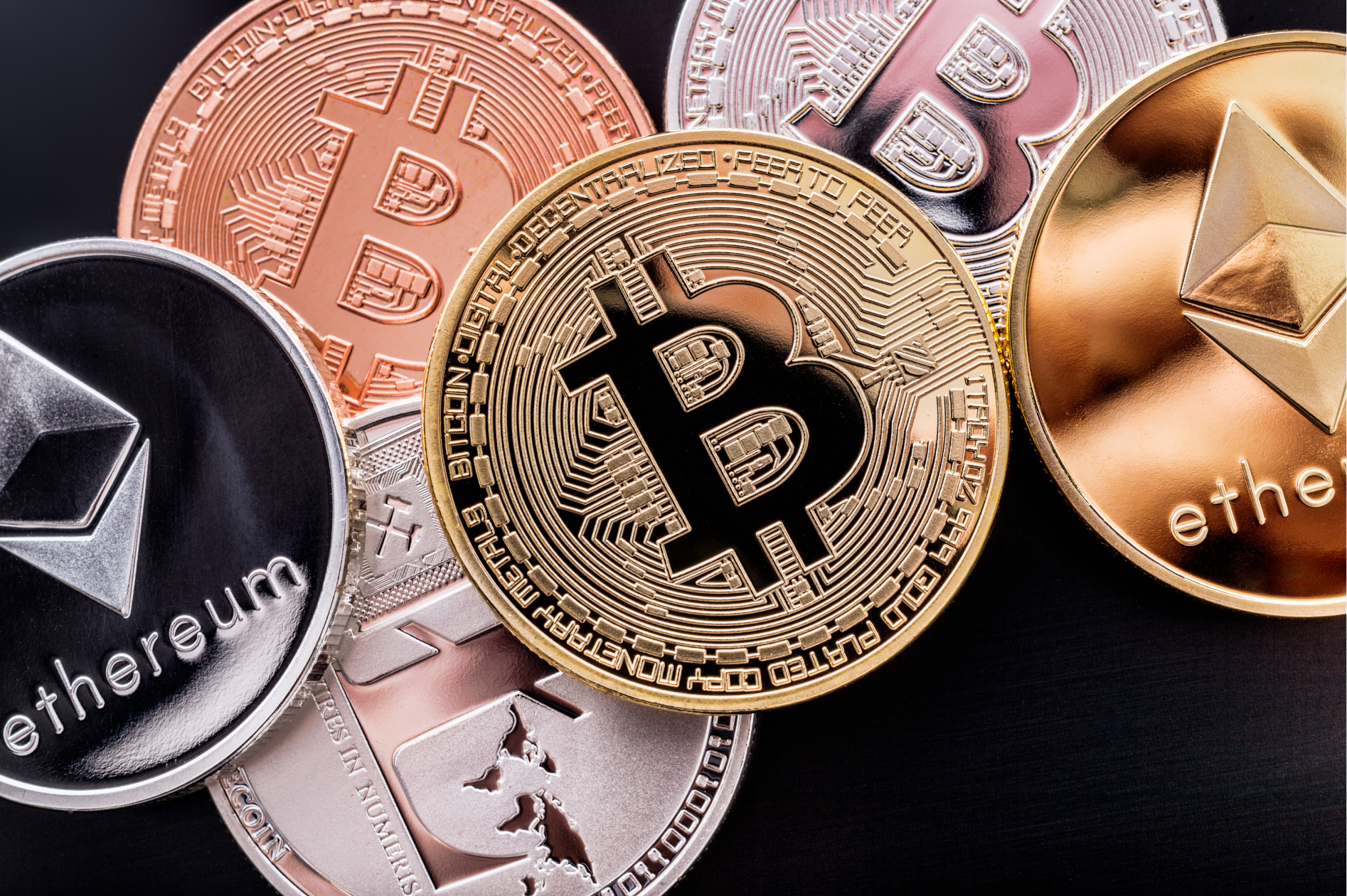
What is a сryptocurrency?
What is Bitcoin?
Proof-of-work algorithm. This consensus mechanism allows for cryptocurrency mining using specialized hardware, such as ASIC miners or high-powered computer rigs.
Limited supply. Only 21 million bitcoins will ever be created, making it a deflationary asset. This scarcity helps maintain its value.
No central accounts. The Bitcoin network does not require accounts, providing a level of anonymity for its users.
Bitcoin's widespread adoption has led to the development of numerous infrastructures and systems supporting BTC transactions, making it one of the most versatile cryptocurrencies for financial operations.
What are altcoins?
Decentralized Applications (DApps). Ethereum's blockchain supports the development of DApps and various ecosystems.
Smart contracts. These self-executing contracts automate agreements between parties, ensuring that terms are met before transactions are processed.
Token creation. Ethereum has established standards like ERC20 for developing tokens on its network.
A significant innovation in the Ethereum ecosystem is staking, used by many Ethereum-based cryptocurrencies. Unlike Bitcoin's Proof-of-Work, staking involves earning rewards by holding and "staking" coins, similar to earning interest on a bank deposit. Altcoins vary widely in their features, and while some may be highly profitable, others may be illiquid and less promising.
What are tokens?
Ownership rights. Tokens can grant ownership of a specific asset or project.
Access to services. They can be used within particular platforms to access services.
Short-term loans. Tokens can also facilitate borrowing and lending within a network.
Tokens do not have their own blockchains; they are issued on existing platforms like Ethereum, which supports various token standards. An example of a token is Terra (LUNA), which is part of a project aimed at developing stablecoins.
What is a stablecoin?
What is an NFT?
Πρόσφατα Άρθρα